
How to Buy a Wireless Bra That Actually Fits (No Underwire Required)
May 26, 2026 · 6 min read · By LIVRA Team
Contents
Quick Answer
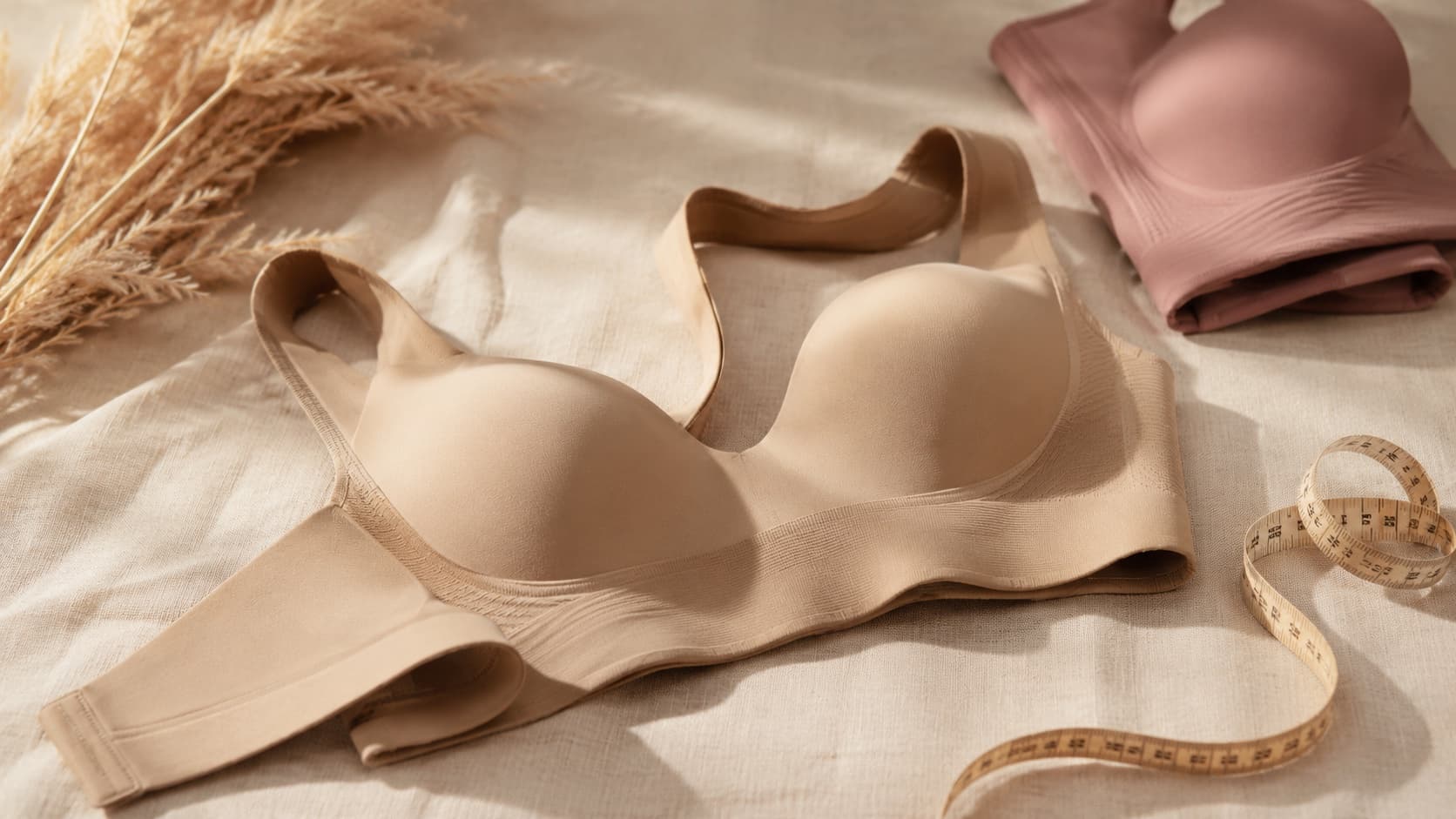
In a wireless bra, the band does the job the wire used to — so fit it band-first. The band should sit level around your ribcage and feel snug (two fingers underneath, no more), because that's your only anchor. Then check the cups: a seamless stretch knit should lie flat with no gapping at the top and no spillage at the sides. Between band sizes? Size down for a firmer band, and let the cup's stretch handle the rest.
The Real Problem: You Want Comfort, But You're Afraid of Losing Support
Here's the honest tension. You love the idea of a wireless bra — no poking, no red welts under your ribs at the end of the day, no rushing to unhook the second you walk in the door. But you've also been burned. The last wireless bra you tried slid around, rode up your back, or gapped at the top of the cup the moment you leaned forward. So you went back to underwire, told yourself comfort was a trade-off, and moved on.
It isn't a trade-off. The problem is that a wireless bra is a completely different structure, and most people size it like an underwire. A wire is rigid scaffolding — it anchors the bra to your body and holds the cup shape no matter what the fabric does. Take the wire away, and two things have to do that job instead: the band tension around your ribcage and the stretch of the cup knit. If you don't fit for those two things specifically, even a beautiful bra will let you down.
This guide is built around exactly that — band, cup stretch, and how to size when there's nothing rigid to anchor you.
Rule 1: Fit the Band First — It's Now Your Whole Anchor
With an underwire bra, you can get away with a slightly loose band because the wire holds things in place. With a wireless bra, you can't. The band is the entire support system. Roughly the majority of a bra's lift should come from the band, not the straps — and that's doubly true when there's no wire helping out.
What a correctly fitted wireless band does:
- Sits level all the way around. Run a finger along the back. If the band rides up higher in the back than in the front, it's too loose and it will keep climbing all day.
- Feels snug on the loosest hook when new. Seamless knit bands relax with wear and washing. If it fits perfectly tight today, it'll be loose in a month. Start firm.
- Passes the two-finger test, not the four-finger test. You should be able to slide two fingers under the band with mild resistance. If your whole hand slips under, the band is too big — and a too-big band is the single most common reason wireless bras slip and ride up.
- Stays put when you raise your arms. Lift both arms overhead. If the band shifts up your torso, the band needs to be smaller, not the straps tighter.
A wide, smooth seamless band grips a larger strip of your ribcage, spreading the hold so it stays put without digging. That's why our AirLight™ Seamless Wireless Bra leans on a broad bonded band rather than a thin elastic strip — more contact area means more anchor with less pressure.
Rule 2: Read the Cup as Stretch, Not as a Fixed Size
Underwire cups hold a molded shape. Seamless wireless cups don't — they're a stretch knit that conforms to you. That changes how you judge fit.
- No gapping at the top edge. Lean forward 90 degrees and stand back up. If the top of the cup pulls away and leaves a gap, the cup volume is a touch large, or the knit isn't stretchy enough to mold to your shape. Size down a cup or choose a stretchier knit.
- No spillage at the sides or top. Fabric cutting in or breast tissue escaping at the underarm means the cup is too small. Go up.
- The fabric lies flat against your skin. A good seamless cup should look like a second layer of skin, not a structured shell sitting on top of you.
This is why stretch seamless knits beat rigid molded foam for wireless. A molded cup without a wire has nothing holding its shape to your body, so it gaps the instant you move. A stretch knit simply follows you. If you run warm or layer a lot, a breathable version like the AirLight™ Sheer Cooling Wireless Bra keeps that stretch comfortable through the day instead of turning into a sweat trap.
Rule 3: Size BETWEEN Bands the Opposite Way You'd Expect
This is the part everyone gets backward. With panties or underwire bras, the standard advice is when in doubt, size up. With a wireless band, you size down.
The logic is physical: the band is your anchor, and anchors work by tension. A looser band has less tension, less grip, and more slip. So if you fall between two band sizes:
- Take the smaller, firmer band. It should feel snug now so it still holds after it relaxes.
- Adjust the cup with the knit's stretch, not by loosening the band. Need a touch more room up top? A stretch cup gives it to you without sacrificing the band tension that keeps the whole thing in place.
- Use the back hooks correctly. Wear a new band on the loosest hook. As it stretches over months, move inward to the tighter hooks to restore the original tension. If you start on the tightest hook, you have nowhere to go.
Rule 4: Match the Bra Structure to What You'll Actually Do In It
A wireless bra that's perfect for a desk day can feel unsupportive on a run, because movement asks more of the structure. Match the build to the activity.
Everyday and Under Clothes
A smooth, band-anchored seamless bra disappears under tees and knits and holds for light all-day wear. This is your default.
Warm Weather and Layering
Heat makes a too-tight band feel worse and a too-loose one slip as you sweat. A breathable, airy knit keeps the band comfortable so you can fit for support, not around sweat.
Movement and Posture
When you move, you need the back to carry the load — not your shoulders. A cross-back or compression cut like the LivForme™ Cross-Back Posture Support Bra redirects tension across your back, so support comes from the structure of the bra instead of a wire. That's how you get held during activity without a single underwire.
Quick Comparison
| Pick | Support Style | Best For | Band Feel |
|---|---|---|---|
| AirLight Seamless Wireless | Band-anchored, light | Everyday | Wide, smooth, snug |
| AirLight Sheer Cooling | Band-anchored, airy | Warm weather | Breathable, snug |
| Cross-Back Posture Support | Cross-back compression | Movement | Firm, level |
Rule 5: Trust Edges and Straps, Not Decoration
Two finishing details quietly decide whether a wireless bra stays invisible and stays put:
- Laser-cut or bonded edges, not elastic trim. Elastic or lace trim can't stretch evenly across a curved edge, so it puckers, digs, and shows lines under clothes. Smooth bonded edges lie flat and stay invisible.
- Straps assist, they don't carry. Straps should add maybe a fifth of the support. If you're constantly tightening straps to feel held, the band is too loose — tightening straps just digs grooves into your shoulders and pulls the band up your back.
Common Mistakes
- Sizing the band up "for comfort." A loose band is less comfortable, not more — it rides up and forces the straps to overwork. Snug band, every time.
- Choosing a molded foam cup for a wireless bra. Without a wire, a fixed-shape cup has nothing holding it to your body, so it gaps. Pick a stretch seamless knit.
- Tightening the straps to fix slipping. Slipping is a band problem. Fix the band; leave the straps doing light duty.
- Starting a new band on the tightest hook. Begin on the loosest hook so you can tighten as the knit relaxes over time.
- Judging fit straight out of the package. Knit bands relax after a wash or two. Fit slightly firm so the relaxed version is still snug.
- Buying your "usual" underwire size. Wireless construction fits differently. Re-check the band and cup against the wireless style, not your old wired number.
The Bottom Line
A wireless bra fits when the band anchors and the cup conforms. So flip your instincts: fit the band first and firm (two fingers, level, snug on the loosest hook), read the cup as stretch (flat, no gap, no spill), and when you're between bands, size down so the anchor holds. Get those two things right and you'll never miss the wire — you'll just stop noticing your bra at all.
Quick Comparison
| Pick | Support Style | Best For | Band Feel | Trade-off |
|---|---|---|---|---|
| AirLight Seamless Wireless Bra | Band-anchored, light | Everyday wear | Wide, smooth, snug | Light shaping, not high-impact |
| AirLight Sheer Cooling Wireless Bra | Band-anchored, airy | Warm weather, layering | Breathable, snug | Sheer knit, more delicate |
| Cross-Back Posture Support Bra | Cross-back compression | Movement, posture | Firm, level | Firmer feel, sportier look |
Frequently Asked Questions
How do I know if a wireless bra fits without a wire to test against?
Check the band first, not the cups. The band should sit level all the way around (not riding up at the back) and feel snug enough that you can slide only two fingers under it. With no wire, the band is your entire anchor — if it shifts when you raise your arms, it's too loose. Then check the cups: the fabric should lie flat against you with no gapping at the top edge and no spillage at the sides.
Will a wireless bra give me enough support?
For most everyday wear, yes — but the support comes from a different place. A wire pushes from below; a wireless bra holds from around. That means a firm, wide band and a cup knit that compresses gently are doing the work. You'll feel held rather than lifted-and-separated. For high-impact movement, choose a wireless style with a cross-back or compression cut so the structure carries the load.
Should I size up or down in a wireless bra if I'm between bands?
Size down on the band, not up. The band is the anchor, and a looser band is the number-one reason wireless bras slip and ride up. If you're between band sizes, take the smaller, firmer band — it should feel snug on the loosest hook when new so it still holds after it relaxes. Adjust the cup with the stretch of the knit rather than loosening the band.
Why does my wireless bra gap at the top of the cup?
Gapping almost always means the cup volume is slightly large for you, or the knit isn't stretchy enough to mold to your shape. With seamless wireless bras, look for a stretch cup that conforms rather than a fixed-shape molded cup. If one specific style gaps, sizing down a cup or choosing a stretchier seamless knit usually closes it without making the band too tight.
Related Reading
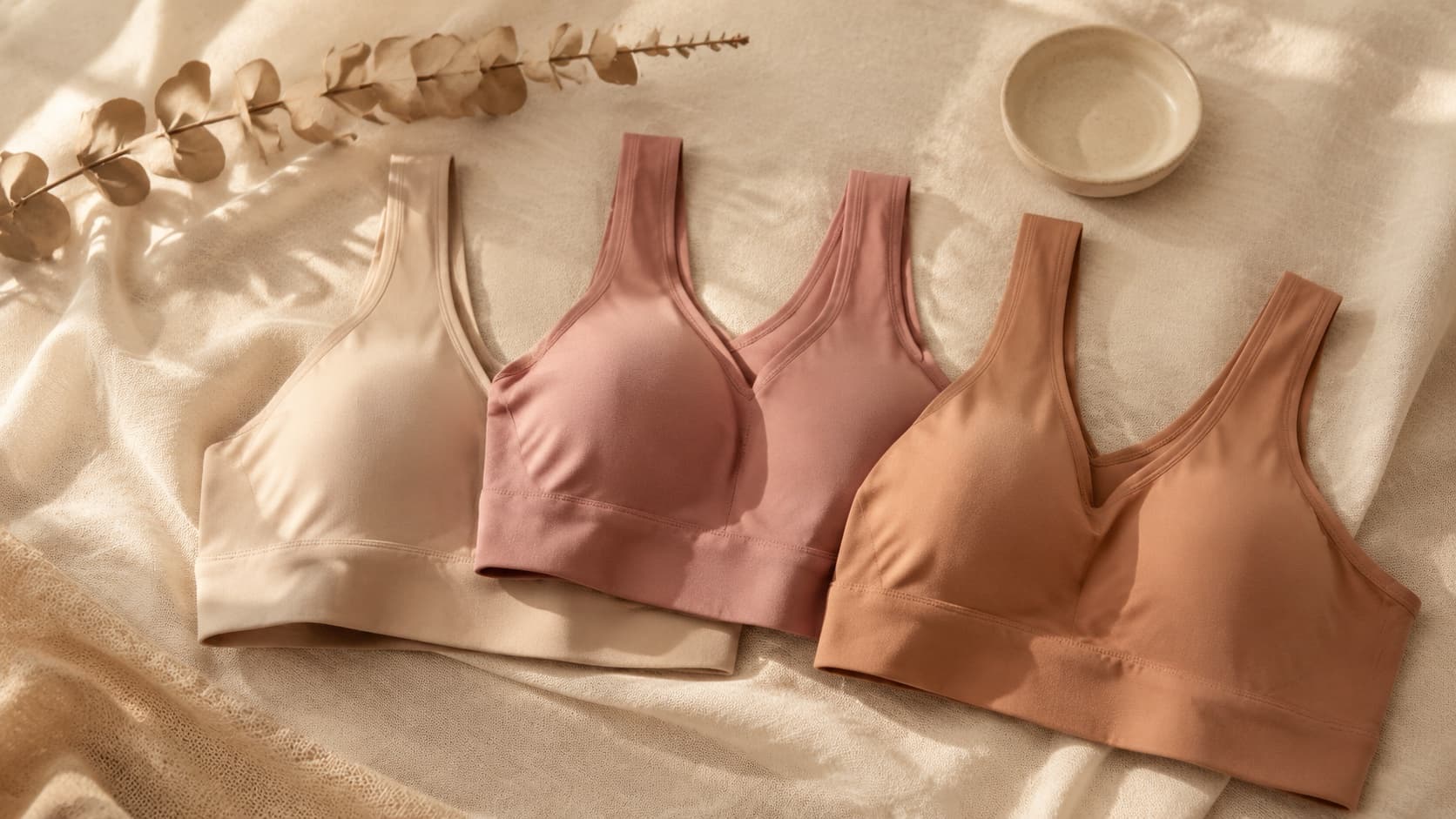
Best Wireless & Sleep Bras for All-Day (and All-Night) Comfort
The best wireless and sleep bras for all-day comfort — soft wire-free support, seamless invisibility under tees, and gentle hold for low-impact days, plus how to pick your fit.
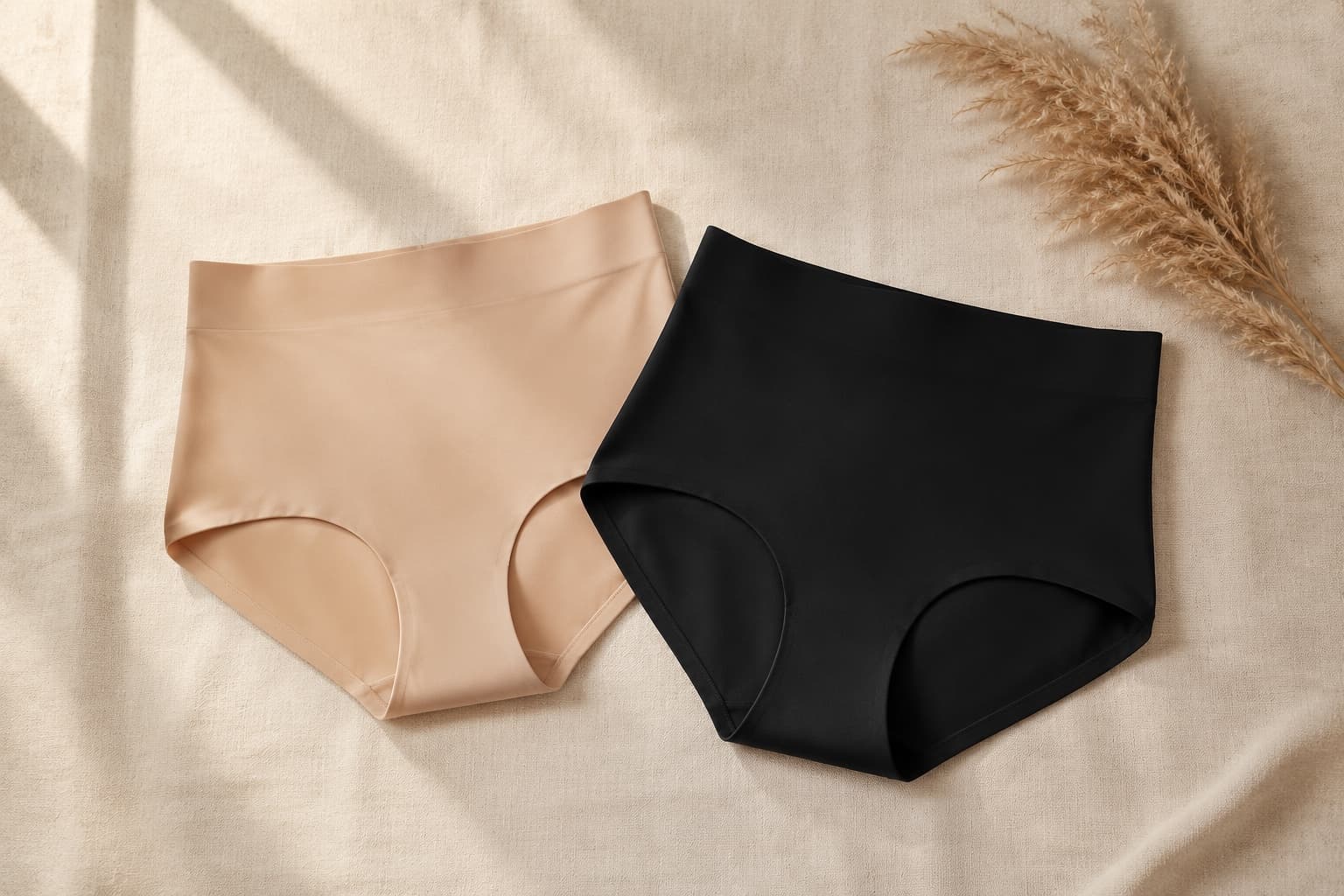
Best Underwear for Fuller Hips: A Sizing & Fit Guide
Standard underwear digs into fuller hips and prints lines. Here's how to find pairs that fit curvier shapes — smoothing, stretch, and zero digging.

How to Choose the Right Underwear Size: A Complete Sizing Guide
Stop guessing your underwear size. Learn exactly how to measure yourself, decode size charts, and find a perfect fit for every style and brand.