
Underwear That Doesn't Roll Down: How to Fix the Waistband Problem
April 5, 2026 · 4 min read · By LIVRA Team
Contents
Quick Answer
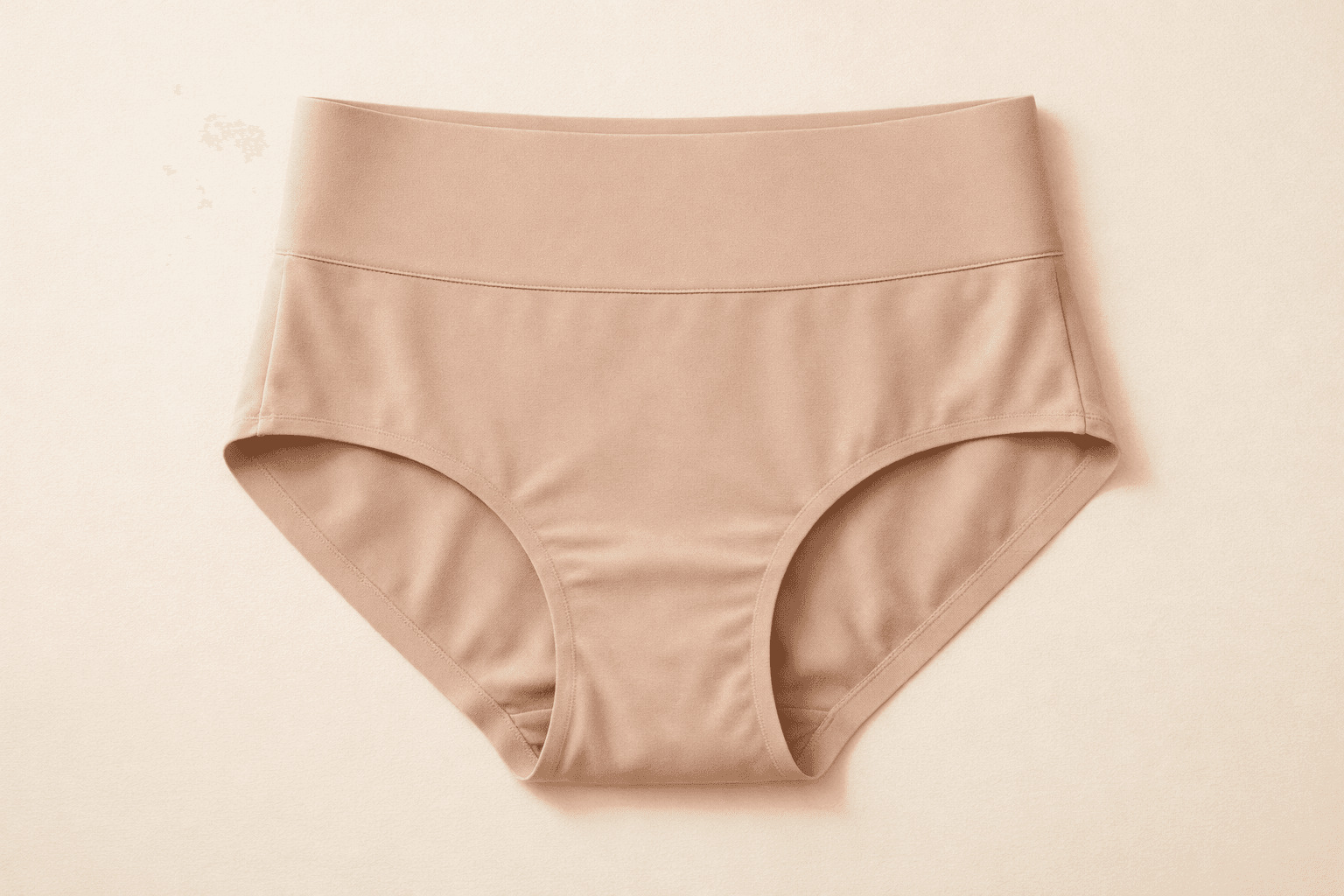
Choose styles with wide bonded waistbands (2 cm or wider) instead of thin elastic. The roll-down problem comes from: waistband too narrow, elastic stretched out, rise wrong for your body, or low-quality hem construction. Fixes: seamless mid-rise with laser-cut non-elastic waistbands, or styles with a silicone grip strip inside the band. Replace any pair whose elastic visibly crimps — stretched elastic never recovers.
Why Waistbands Roll
A rolling waistband is one of the most frustrating underwear problems. You pull it up, it rolls down. You adjust it, it rolls again. By lunchtime, your high-waisted underwear has become a low-rise.
Here's why it happens:
1. The Waistband Is Too Narrow
Narrow elastic bands (under 1 inch) have less surface area to grip your skin. They concentrate pressure on a thin line, which naturally wants to fold over.
2. Wrong Size
Too small = the elastic is over-stretched and has no grip left. Too big = excess fabric folds and rolls. Either way, rolling.
3. Elastic Degradation
Heat from the dryer and repeated stretching breaks down elastic fibers. Once they lose their recovery, rolling is inevitable.
4. Body Shape Mismatch
If you have a significant difference between your waist and hip measurements, a standard waistband sits on a slope — and slides downhill.
5. Fabric Friction
Some fabric-to-skin combinations have very low friction. Silky fabrics on dry skin = slip and roll.
The Solution Checklist
1. Wide Bonded Waistbands
The single biggest fix. A waistband at least 1.5 inches wide distributes pressure over a larger area, dramatically reducing rolling. Bonded (heat-sealed) waistbands are better than sewn elastic because they have no hard edge to fold over.
2. Silicone Grip Strips
Some high-end underwear has thin silicone lines printed on the inside of the waistband. These create just enough friction to keep the band in place without irritating skin.
3. Higher Rise
Higher-rise underwear sits at your natural waist — the narrowest point of your torso, where there's a natural shelf. This is the most mechanically stable position for a waistband.
4. Correct Sizing
Re-measure and size check. If you're between sizes and experiencing rolling, try the larger size — a relaxed waistband that sits flat is better than a tight one that rolls.
5. Replace Old Pairs
If the elastic is dead, no design can save it. Test by stretching the waistband — if it doesn't snap back firmly, it's done.
Best Anti-Roll Styles
| Style | Roll Resistance | Why |
|---|---|---|
| High-waist with wide band | ★★★★★ | Wide band + natural waist position |
| Mid-rise bonded waistband | ★★★★ | Bonded edge can't fold |
| Safety shorts | ★★★★★ | Continuous fabric, no waistband to roll |
| Low-rise thin elastic | ★★ | Narrow band on a slope = rolls |
The Bottom Line
Wide bonded waistband + correct size + high or mid rise = no more rolling. If your current underwear rolls and it's less than 6 months old, it's a design or size problem. If it's older than a year of daily wear, it's time to replace.
Quick Comparison
| Pick | Waistband Type | Anti-Roll Feature | Best For | Trade-off |
|---|---|---|---|---|
| Seamless High-Waist Shaper | Wide structured band | Narrow-waist anchor | Long workdays, travel | Slight shaping compression |
| Cross-Compression Brief | Cross-layer panels | Distributed pressure | Daily wear with light hold | Single-layer fabric is thinner |
Frequently Asked Questions
Why does my high-waisted underwear keep rolling down?
Four causes: waistband too narrow (thin elastic has no grip), elastic stretched from age or hot washing, rise wrong for your torso length, or low-quality hem construction. Wide bonded waistbands solve 80% of cases.
Does sizing up actually fix waistband roll?
Sometimes. If the band rolls because it's stretched tight across your hips, sizing up relieves tension. If rolling is from a narrow or low-quality elastic, sizing up won't help — you need a different style with a wider, bonded waistband.
What's the best underwear style for fuller hips?
Mid-rise seamless with a wide (2-3 cm) bonded waistband in a curve-cut. Avoid low-rise bikini (rolls over hips) and thin-elastic high-rise. Look for styles explicitly described as 'curve-cut' or 'anti-roll' — they have wider leg openings proportional to waistband.
Related Reading
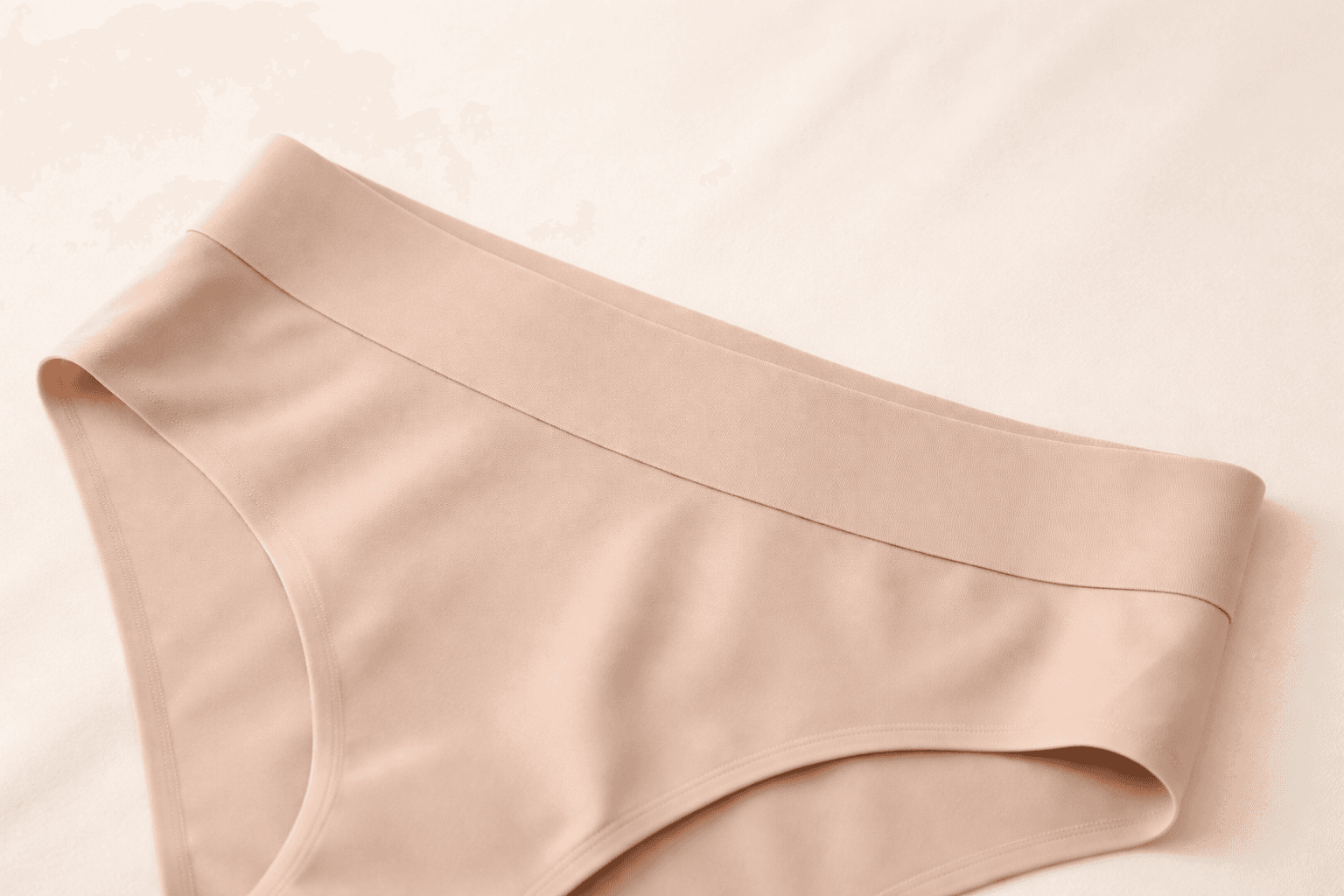
How to Stop Underwear from Riding Up: Causes and Solutions
Tired of constantly adjusting your underwear? Learn why underwear rides up and the proven fixes — from sizing to fabric to style changes.
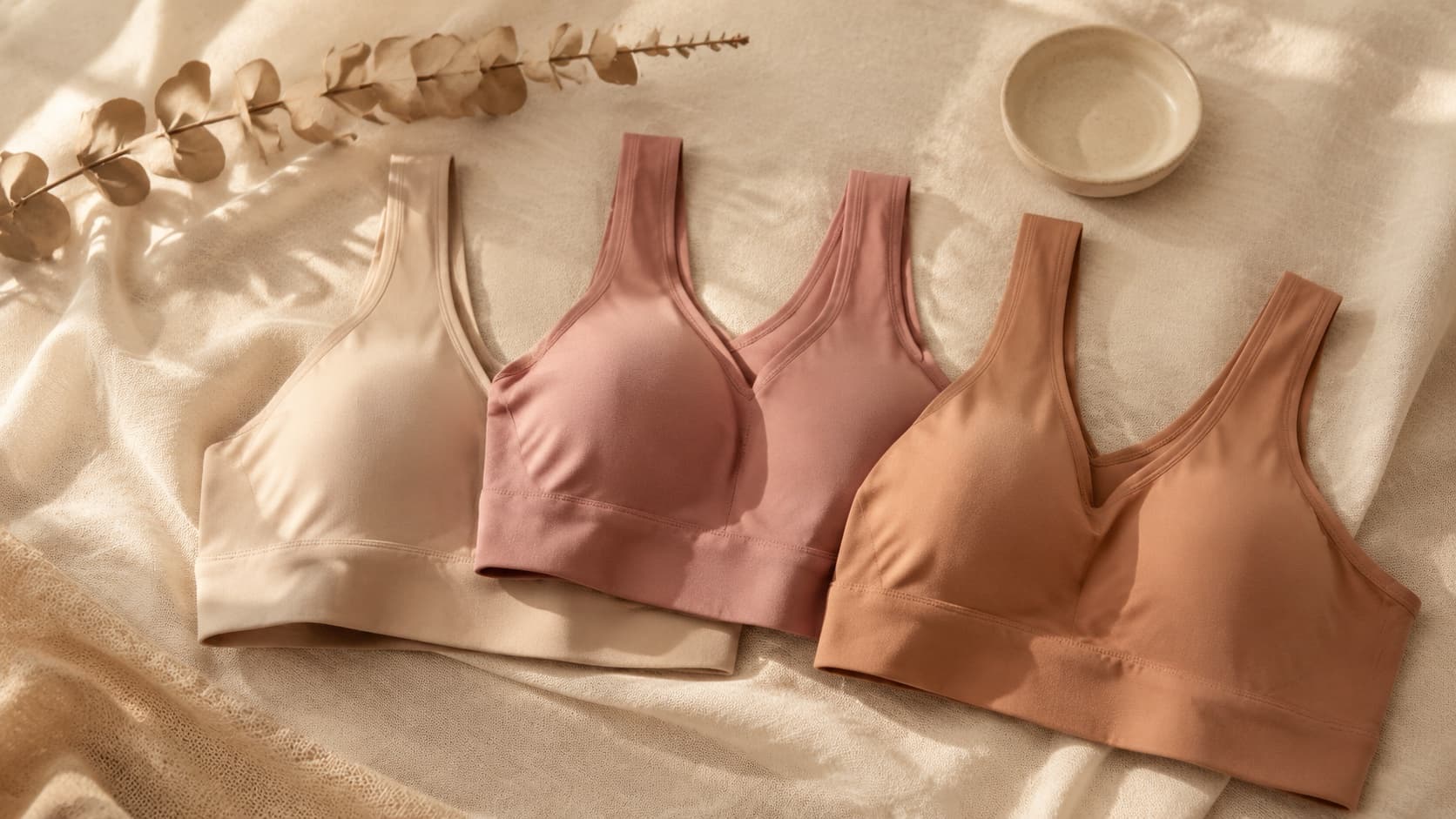
Best Wireless & Sleep Bras for All-Day (and All-Night) Comfort
The best wireless and sleep bras for all-day comfort — soft wire-free support, seamless invisibility under tees, and gentle hold for low-impact days, plus how to pick your fit.
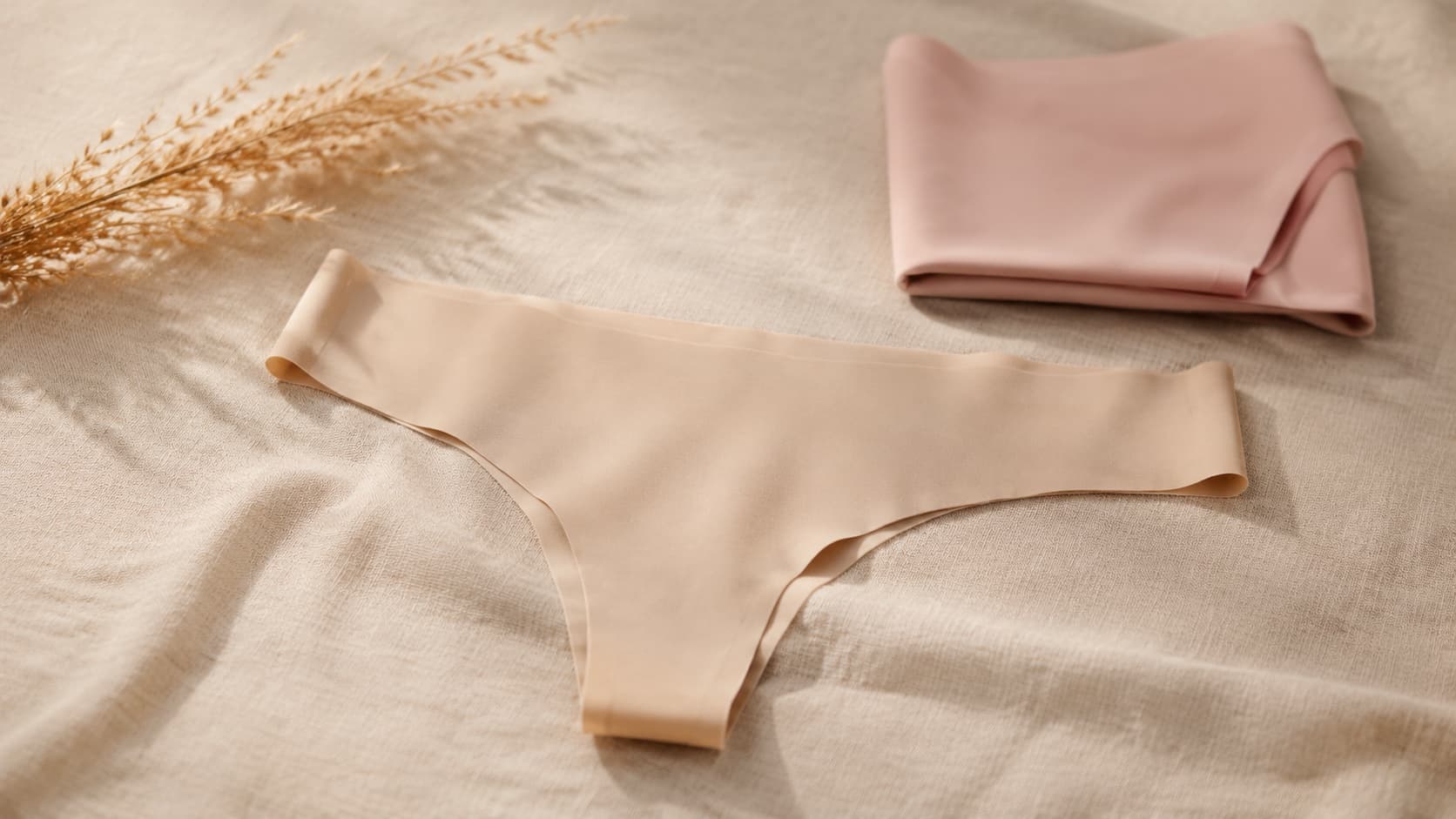
Are Thongs Actually Comfortable? Myths vs Reality
Are thongs comfortable, or bad for you? We separate myth from reality — when a thong is genuinely the comfiest choice, what the health facts really say, and how to wear one that never digs.